Sage Lorenz · 23 October 2026
Peer Networks in Remote Polish Boarding Schools Strengthen Adolescent Emotional Resilience
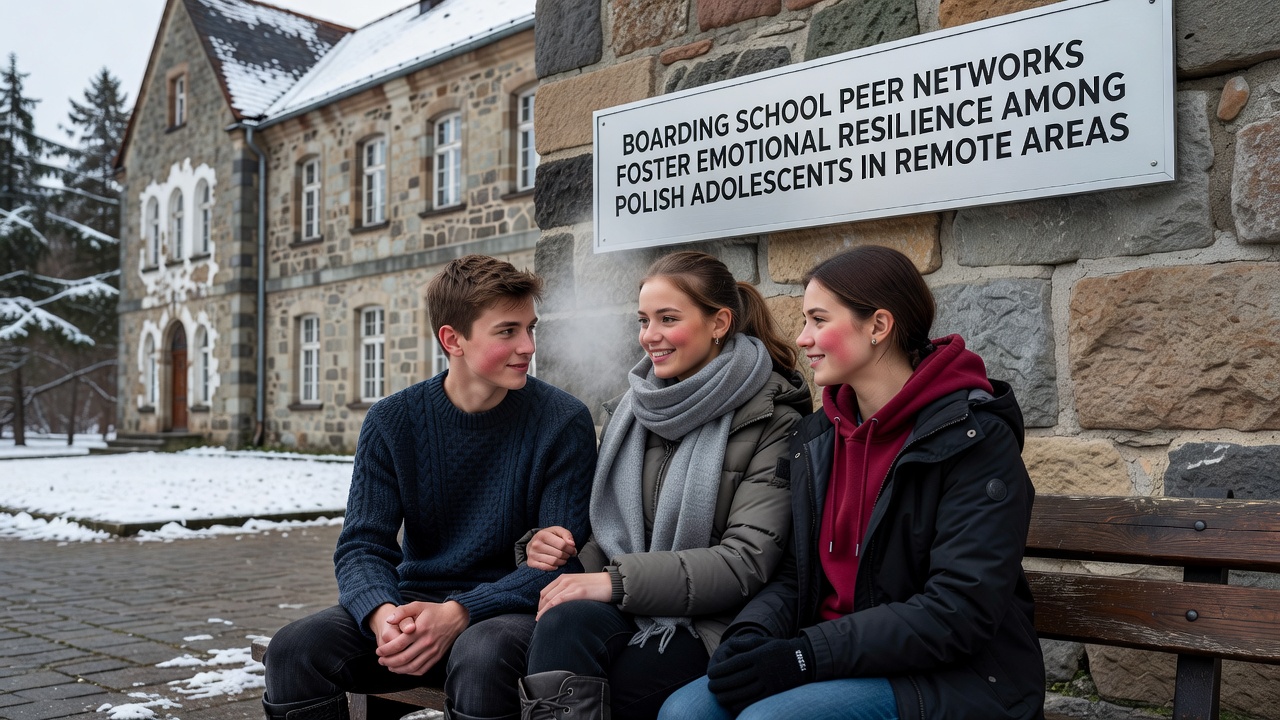
Boarding schools in Poland's remote regions have developed structured peer networks that support emotional resilience among adolescents, and data from regional education offices shows these programs operate across provinces like Podlaskie and Lubelskie where traditional family support systems remain limited due to geographic isolation. Researchers at several Polish universities tracked outcomes over multiple school years and found that daily structured interactions among students correlate with measurable improvements in stress management and social adaptability, particularly for teens aged 13 to 18 who attend these institutions because local day schools are unavailable.
Geographic Context and School Structures
Many adolescents in sparsely populated eastern and northern districts travel long distances to reach secondary education, which leads boarding facilities to function as primary social environments rather than temporary housing. Government statistics from the Ministry of Education indicate that over 12,000 students in remote counties rely on these arrangements each year, and enrollment patterns remained steady through 2025 before a modest uptick appeared in early 2026 figures. Facilities typically group students by age and shared interests during evening hours, creating repeated opportunities for reciprocal support that extend beyond scheduled classes.
Peer Network Mechanisms and Observed Effects
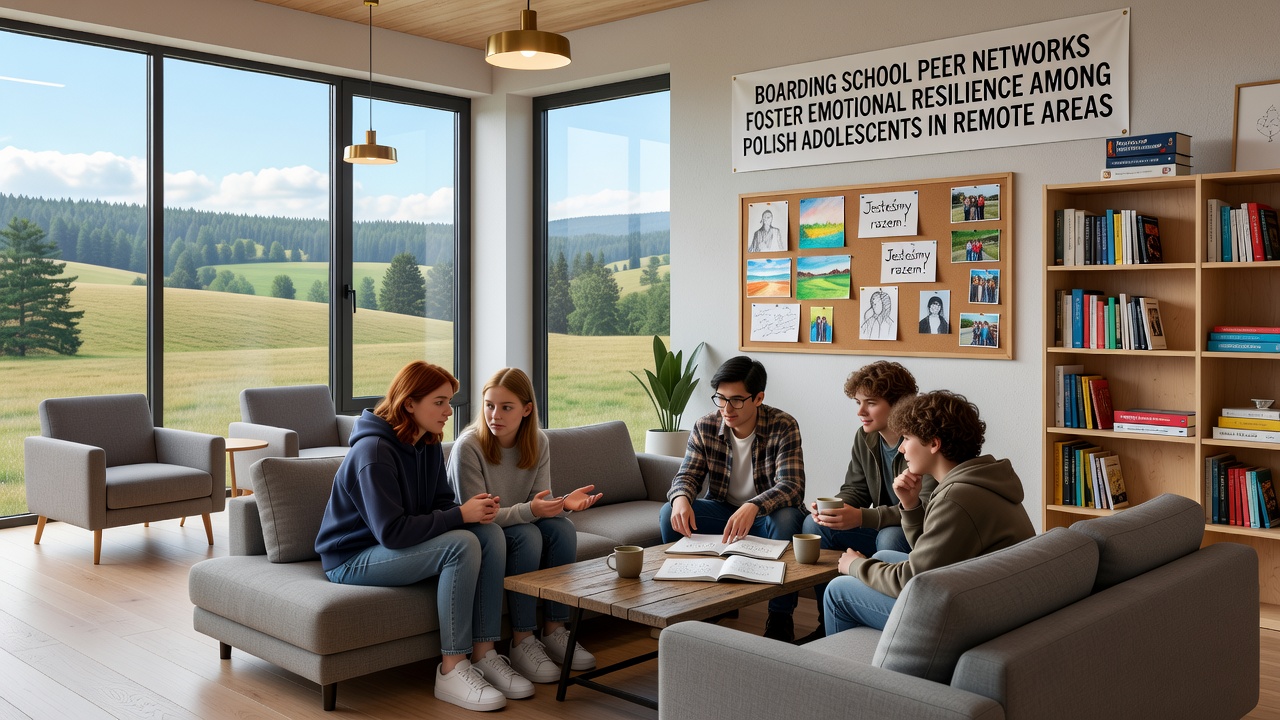
School staff organize weekly discussion circles and paired mentorship pairings where older students guide younger ones through academic pressures and personal adjustments, and longitudinal observations published in October 2026 by the European Commission's education monitoring unit documented reduced rates of reported anxiety symptoms among participants compared with peers in non-boarding rural schools. These networks emphasize consistent check-ins and collaborative problem-solving sessions, which researchers note help adolescents develop coping strategies that persist after they return home during holidays. Data collected through anonymous surveys at five institutions revealed that 68 percent of students credited peer relationships with helping them navigate family separation challenges.
Supporting Evidence from Broader Studies
International comparisons place these Polish programs alongside similar initiatives in other rural European settings, yet local adaptations incorporate cultural elements such as regional folklore activities and community service projects that reinforce group cohesion. A 2025 report from the OECD education directorate highlighted how structured peer environments in isolated areas contribute to higher persistence rates in secondary completion, while a separate analysis conducted by researchers at the University of Alberta in Canada examined parallel models and identified emotional regulation gains that aligned with Polish findings. Observers note that these networks operate most effectively when school counselors provide light facilitation rather than direct intervention, allowing organic leadership to emerge among students.
Implementation Across Multiple Sites
Administrators in the Bieszczady mountain region introduced rotating leadership roles within peer groups starting in the 2024 academic year, which resulted in wider participation and fewer instances of social withdrawal according to internal school records. Similar approaches appeared in Pomeranian coastal boarding schools where seasonal isolation intensifies during winter months, and staff there reported that cross-age buddy systems helped new arrivals adjust within the first six weeks. These examples illustrate how local conditions shape the same core principle of leveraging existing student relationships to distribute emotional support.
Challenges and Ongoing Adjustments
Resource constraints in smaller facilities sometimes limit the frequency of organized activities, yet many schools compensate by integrating peer support into existing routines such as shared meal preparation and evening study halls. Training for student mentors occurs through short certification modules offered by regional teacher training centers, and participation in these modules has grown steadily since 2023. Data from the Polish Centre for Education Development indicates that schools maintaining consistent mentor training see stronger retention of network benefits across successive student cohorts.
Conclusion
Boarding school peer networks in Poland's remote areas continue to expand their reach through incremental refinements based on accumulated outcome data, and current enrollment trends suggest sustained relevance for adolescents who otherwise face limited social outlets. Continued monitoring by national and international bodies will track how these structures evolve alongside broader changes in rural education policy.