Jonas Jenkins · 2 September 2026
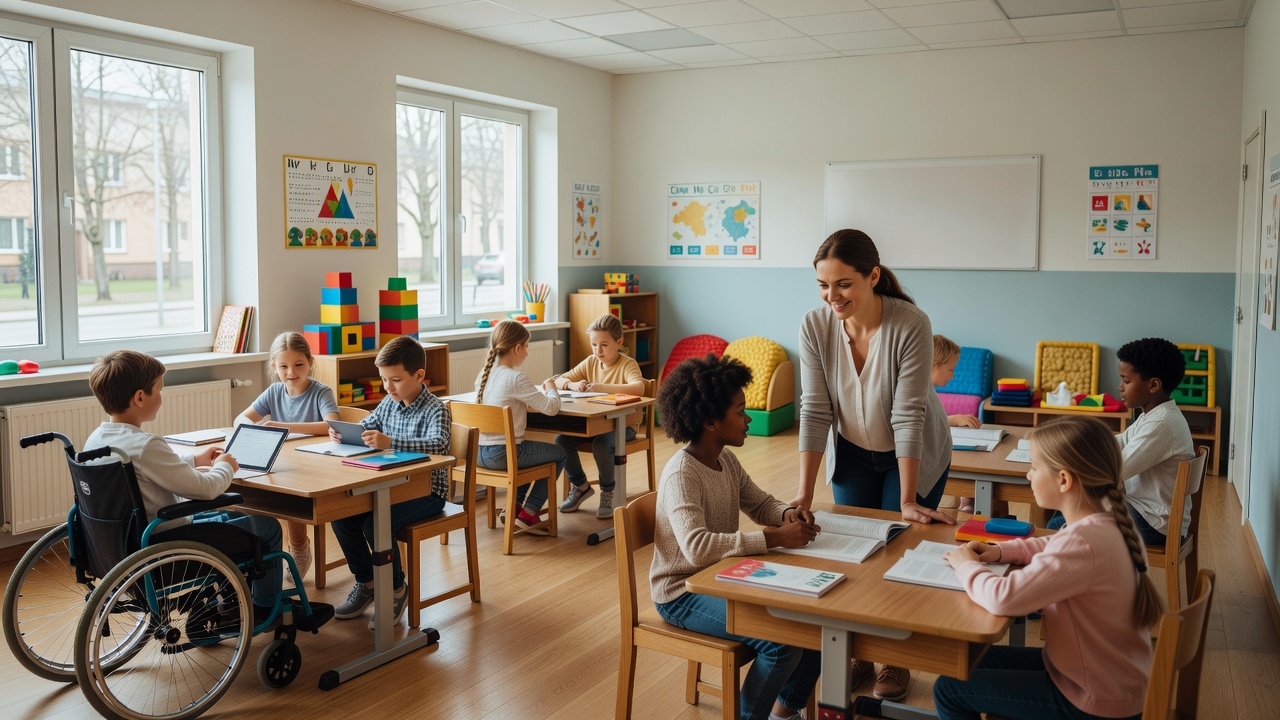
The Polish Ministry of National Education has revealed plans to significantly increase financial support for inclusive classroom initiatives in primary schools nationwide. This move comes as part of broader efforts to enhance educational equity and address the diverse needs of young learners in contemporary classrooms.
Key Components of the Funding Initiative
The expanded budget will cover several key areas including the procurement of adaptive technologies, specialized training for teaching staff, and the development of customized curricula. Priority will be given to institutions demonstrating high levels of commitment to inclusion but facing budgetary constraints. It is projected that over 500 primary schools will receive direct grants in the first phase of distribution. Local education authorities are tasked with identifying eligible projects that align with national standards for inclusive practices. Additional measures include the establishment of resource centers that provide ongoing assistance to educators implementing these changes. Collaboration with international experts is also planned to incorporate global best practices into the Polish educational framework.
Long-Term Benefits and Implementation Strategies
By investing in these projects, Poland aims to create learning environments where every child can thrive regardless of background or ability. Research indicates that inclusive classrooms contribute to better social skills and higher self-esteem among students. Implementation will involve regular assessments to track progress and make necessary adjustments. Parents and community members are invited to participate in planning sessions to ensure the initiatives meet local requirements effectively. This comprehensive approach is expected to yield measurable improvements in educational outcomes across the board. Furthermore, the funding expansion reflects Poland's commitment to international agreements on education rights. Schools are encouraged to submit proposals detailing innovative methods for fostering growth in inclusive settings. The government will monitor the allocation to ensure transparency and accountability throughout the process. The initiative also includes provisions for ongoing evaluation and feedback from participating schools to refine future funding rounds. In addition, special attention will be paid to integrating students with disabilities and those from minority backgrounds. Training modules will focus on cultural sensitivity and personalized learning plans. This holistic strategy is designed to support classroom growth and overall educational advancement in Poland's primary education system.