Avery Keller · 9 October 2026
Rural Mentorship Networks Enhance Literacy Outcomes in Poland's Remote School Districts
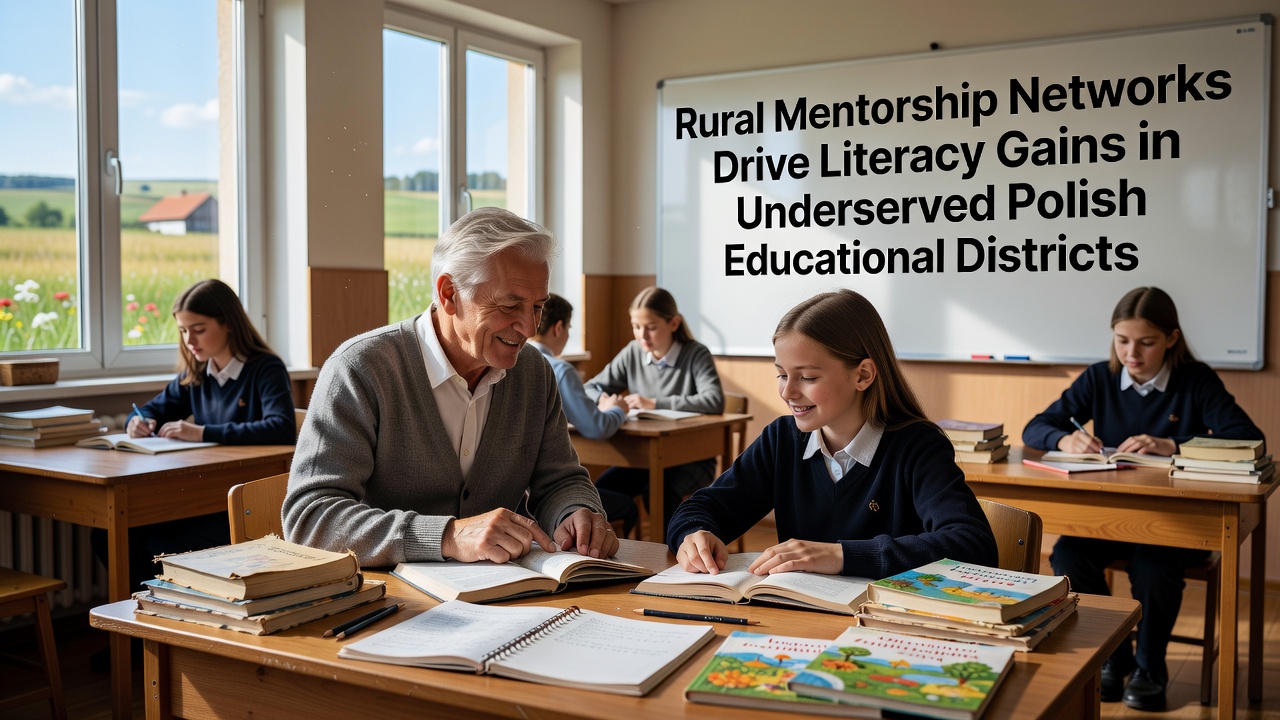
Across Poland's countryside regions, structured mentorship networks have connected experienced educators with students in underserved districts, and data from recent evaluations show measurable improvements in reading and writing proficiency levels. These programs pair local teachers with university-trained volunteers who travel to small schools or connect through digital platforms, while the focus remains on building foundational literacy skills through repeated practice and guided reading exercises. In districts where access to specialized resources has historically lagged behind urban centers, such networks now operate in over 180 locations as of early 2026.
Program Structure and Daily Operations
Each network assigns mentors to groups of eight to twelve students based on age and assessed reading levels, and sessions typically run twice weekly for ninety minutes. Mentors use standardized lesson plans that incorporate phonics drills, comprehension questions, and creative writing prompts, yet they also adapt materials to include regional stories and local vocabulary to increase engagement. Teachers from the host schools participate in planning meetings once a month, which allows the approach to align with national curriculum standards without duplicating existing classroom work. The Polish Ministry of National Education has tracked participation rates since 2023, and records indicate that more than 4,200 students have completed at least one full academic year in these programs.
Data on Literacy Improvements
Figures released by the Polish Institute of Educational Research in September 2026 reveal an average gain of 1.4 grade levels in reading comprehension among participants after twelve months, compared with 0.7 grade levels for similar students outside the networks. Writing assessments conducted in October 2026 further demonstrated that students in mentorship cohorts produced longer, more coherent paragraphs and used more varied sentence structures. These outcomes appear across multiple voivodeships, including Podlaskie and Lubelskie, where rural school enrollment has declined steadily for a decade. Observers note that the gains hold steady even when controlling for socioeconomic factors, which suggests the consistent adult interaction plays a central role in the results.
One study conducted by researchers at Jagiellonian University followed 320 students over two years and found that those who met with mentors at least twenty times per semester showed the strongest progress, while attendance below ten sessions correlated with smaller advances. The same report highlighted that schools with active parent involvement saw additional boosts, as families received take-home reading kits that extended practice beyond the scheduled sessions.
Regional Implementation Examples
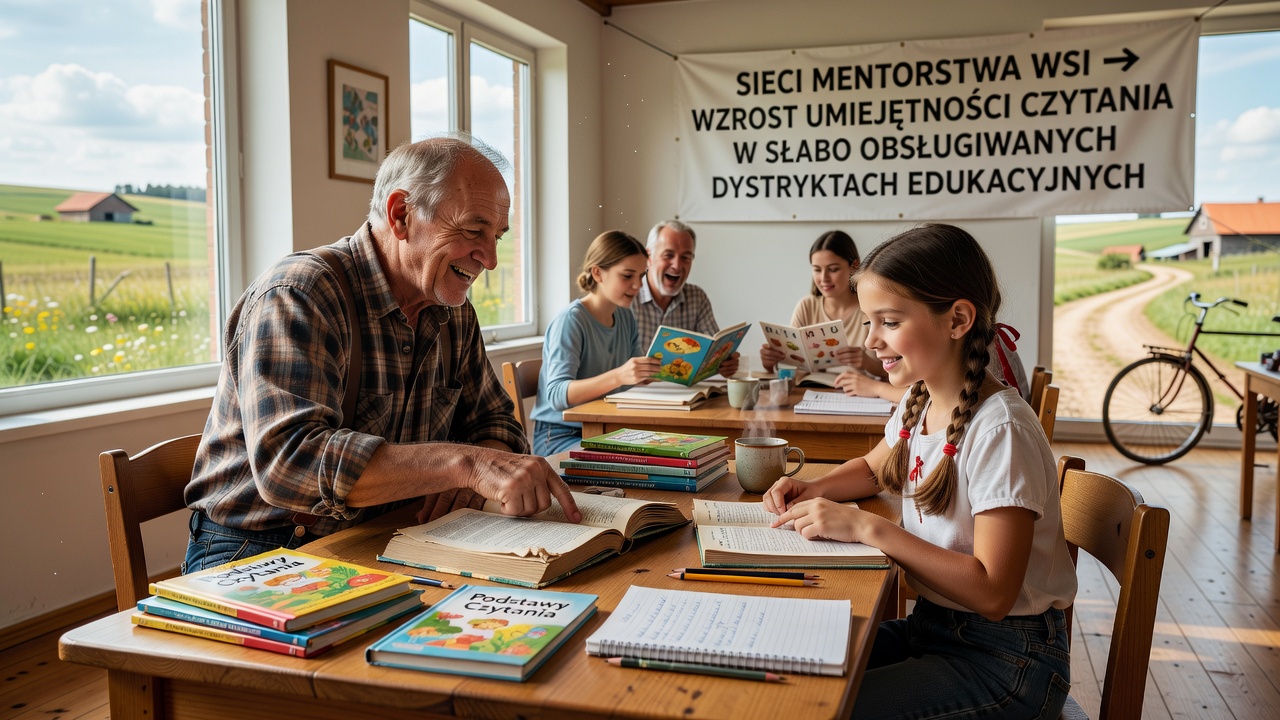
In the Suwałki region, a network launched in 2024 now serves twelve primary schools and has trained fifty-three local mentors through a partnership with nearby teacher colleges. Participants there report that students who previously struggled with basic decoding now handle grade-level texts with greater independence. Similar patterns emerged in the Opole district, where a pilot program expanded in spring 2025 after initial results exceeded targets set by regional education authorities. Mentors in these areas often share transportation resources and digital lesson banks, which reduces preparation time and keeps methods consistent across sites.
According to OECD education indicators, Poland's overall PISA reading scores have risen modestly since 2018, yet the gap between rural and urban students narrowed most noticeably in areas with active mentorship programs. A separate analysis from the European Commission's education monitoring unit reached parallel conclusions using 2025 enrollment and assessment data.
Challenges and Adjustments
Despite the recorded progress, networks continue to face logistical hurdles, including variable internet connectivity in remote villages and occasional mentor turnover when university schedules change. Program coordinators have responded by increasing the use of offline materials and offering stipends funded through regional development grants. In October 2026, several districts introduced a new matching algorithm that pairs mentors with students based on shared interests rather than proximity alone, and early feedback indicates this adjustment has lowered dropout rates among older participants.
Training modules now include modules on cultural sensitivity and trauma-informed approaches, since some students enter programs with limited prior exposure to formal literacy support. These additions emerged after feedback sessions with school psychologists, and they integrate directly into the existing mentor certification process.
Conclusion
Evidence accumulated through multiple evaluation cycles demonstrates that rural mentorship networks have contributed to literacy gains in Poland's underserved educational districts, and the approach continues to evolve through data-driven refinements. Continued monitoring by national and international bodies will clarify how these models scale and whether similar structures can address other skill areas in the coming years.