Jonas Jenkins · 11 September 2026
Student-Led Eco Initiatives Forge Stronger Community Bonds in Polish Schools
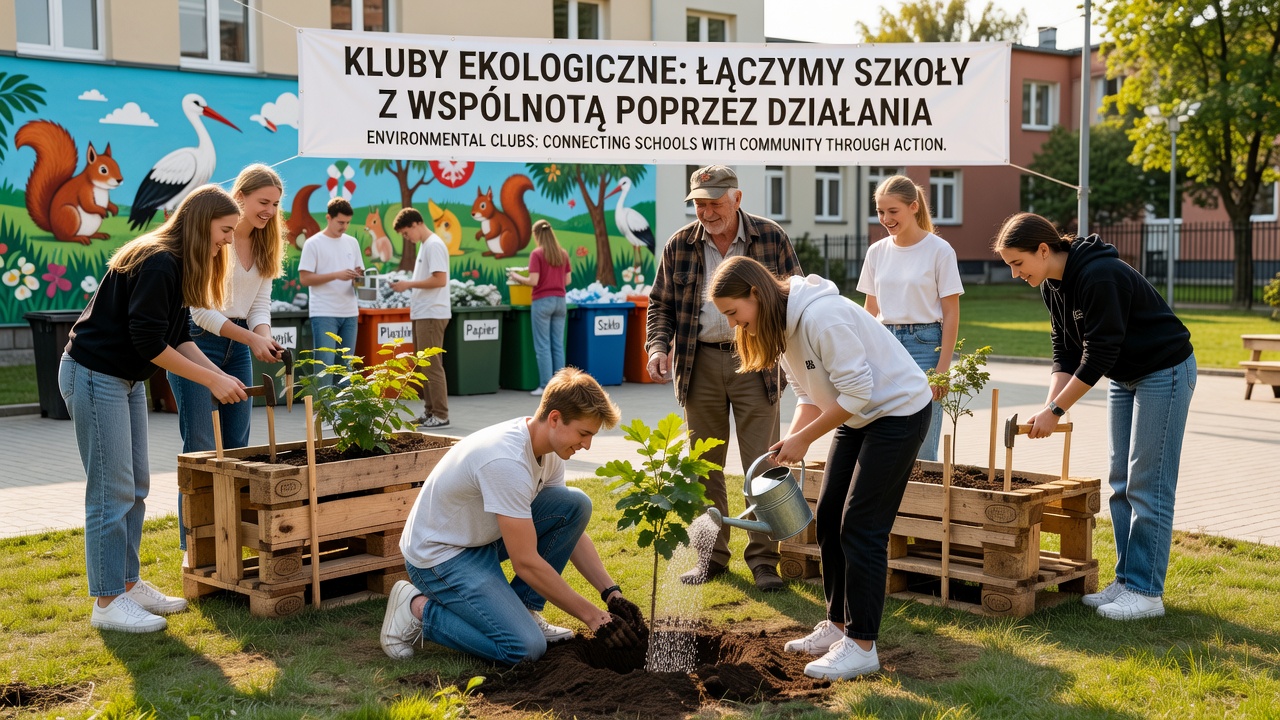
Student environmental clubs across Poland have expanded their reach through targeted projects that connect classroom learning with neighborhood needs, and data from the European Environment Agency shows participation rates climbing steadily since 2023. These groups organize clean-up drives, habitat restoration efforts, and waste reduction campaigns that draw in local residents, businesses, and municipal offices as active partners rather than distant observers.
One club in Kraków launched a riverbank restoration program last year where students mapped erosion patterns, planted native species, and coordinated with city planners to install educational signage; the effort pulled together volunteers from nearby apartments and two small farms that supplied seedlings at cost. Similar programs in Gdańsk and Wrocław have documented measurable drops in litter along school-adjacent waterways according to municipal reports compiled through 2025.
Project Models That Build Lasting Connections
Many clubs follow a three-stage cycle that begins with student-led audits of school grounds and surrounding streets, moves into collaborative design workshops with community members, and ends with public demonstration events. This structure encourages repeated interactions because each phase requires input from outside the school walls, and participants often continue meeting after the formal project concludes. In Poznań, a composting initiative paired students with a senior center whose residents now receive weekly deliveries of finished compost for their rooftop garden; the arrangement started as a simple waste diversion effort but evolved into shared meals and seasonal planning sessions.
Hands-on elements keep momentum high because they produce visible results within weeks or months rather than years. Students construct rainwater collection systems, maintain pollinator strips along fences, and run repair cafés where community members bring broken appliances for guided fixes instead of disposal. Records kept by participating schools indicate that these repair events alone have diverted several tons of electronics from landfills since the programs scaled up.
September 2026 Rollouts and Regional Patterns
September 2026 marks the start of coordinated regional networks that link clubs in smaller towns with those in larger cities for resource sharing and joint monitoring. The Ministry of Education announced matching grants that prioritize projects demonstrating at least three external partners, and early applications show heavy emphasis on cross-generational activities such as intergenerational tree-planting days and student-mentored citizen science apps. Data compiled by regional education offices reveal that clubs operating under these networks report higher retention of both student leaders and adult volunteers compared with standalone groups.
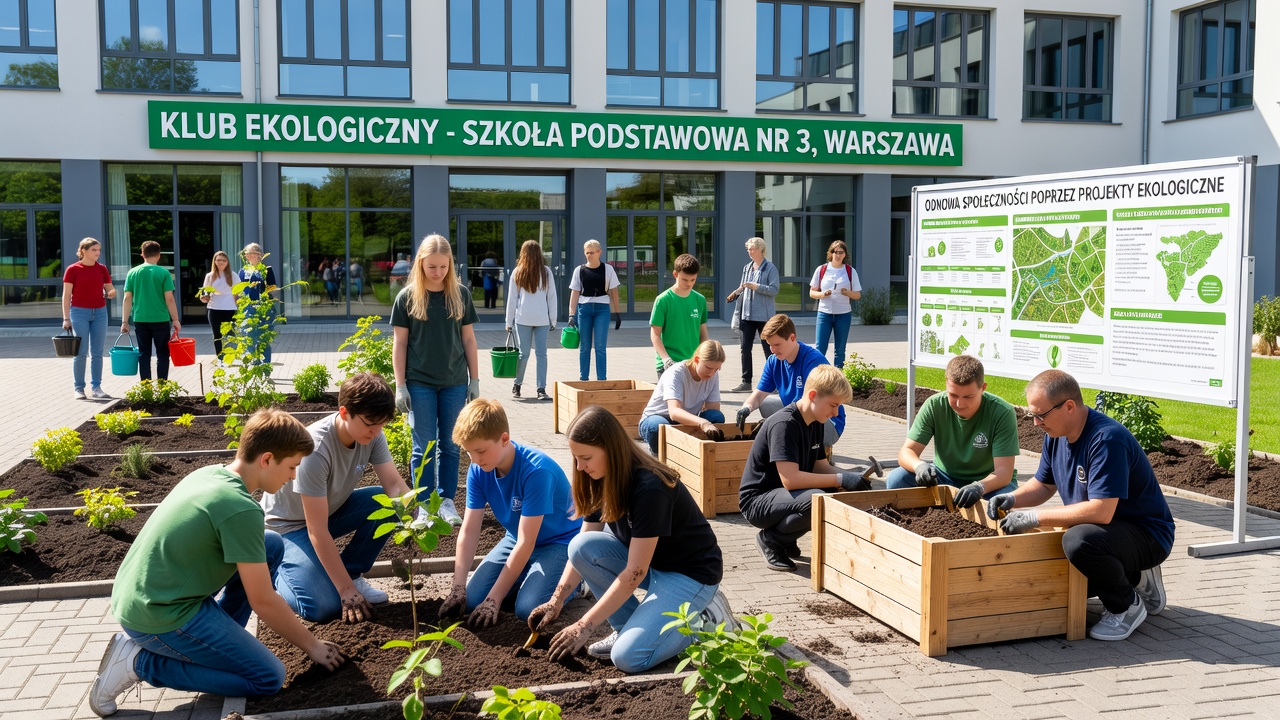
Observers tracking these developments note that rural schools often focus on agricultural heritage preservation while urban clubs tackle air quality and microplastic reduction; yet both approaches rely on the same core mechanism of embedding student projects inside existing community calendars. One study released by Warsaw University researchers found that neighborhoods hosting active clubs saw a 12 percent increase in residents reporting they knew at least one local teacher or student by name, a shift attributed directly to project-related events rather than general school outreach.
Measuring Broader Community Effects
Quantitative indicators collected by local governments include reduced illegal dumping incidents near participating schools and increased attendance at town-hall meetings on sustainability topics. Qualitative accounts describe parents joining weekend workdays who then form ongoing neighborhood associations, and shop owners donating materials after seeing tangible improvements to nearby public spaces. These patterns align with findings from parallel programs tracked by the Canadian Environmental Assessment Agency, where school-community partnerships produced similar spikes in civic engagement metrics.
Training sessions for club advisors now incorporate modules on partnership development alongside technical environmental skills, and materials circulated by the Polish Teachers' Union emphasize conflict resolution techniques useful when balancing student ideas with resident concerns. Funding streams from both national and EU sources support equipment purchases, yet the clubs that sustain activity longest tend to secure small, recurring contributions from local businesses that view the projects as neighborhood branding opportunities.
Conclusion
Student environmental clubs continue to integrate hands-on projects into the daily fabric of Polish communities through structured collaboration rather than one-off events. The September 2026 expansions will test whether these ties scale across more regions while maintaining the personal connections that have driven participation so far. Available records and partner reports indicate steady progress toward measurable environmental gains alongside strengthened local networks that extend well beyond school property lines.